In the world of casting and molding, choosing the right material can significantly impact the quality and efficiency of your project. Among various options, alginate molding powder has gained popularity for its unique properties and applications. In this article, we will explore alginate molding powder in comparison to other common casting materials, such as silicone, plaster, and latex, highlighting their respective advantages and disadvantages. By the end, you will have a comprehensive understanding of which material may best suit your specific needs.
Understanding Alginate Molding Powder
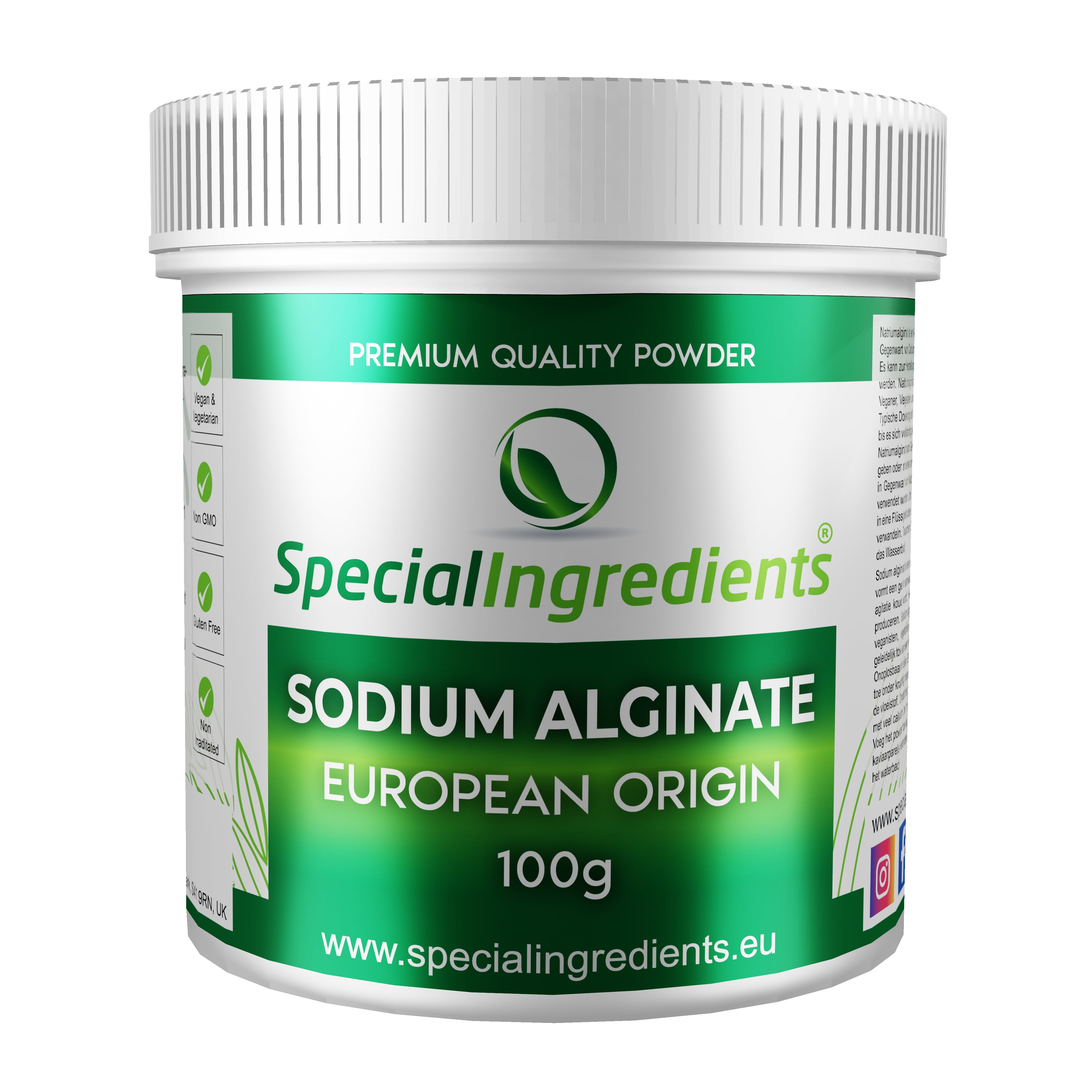
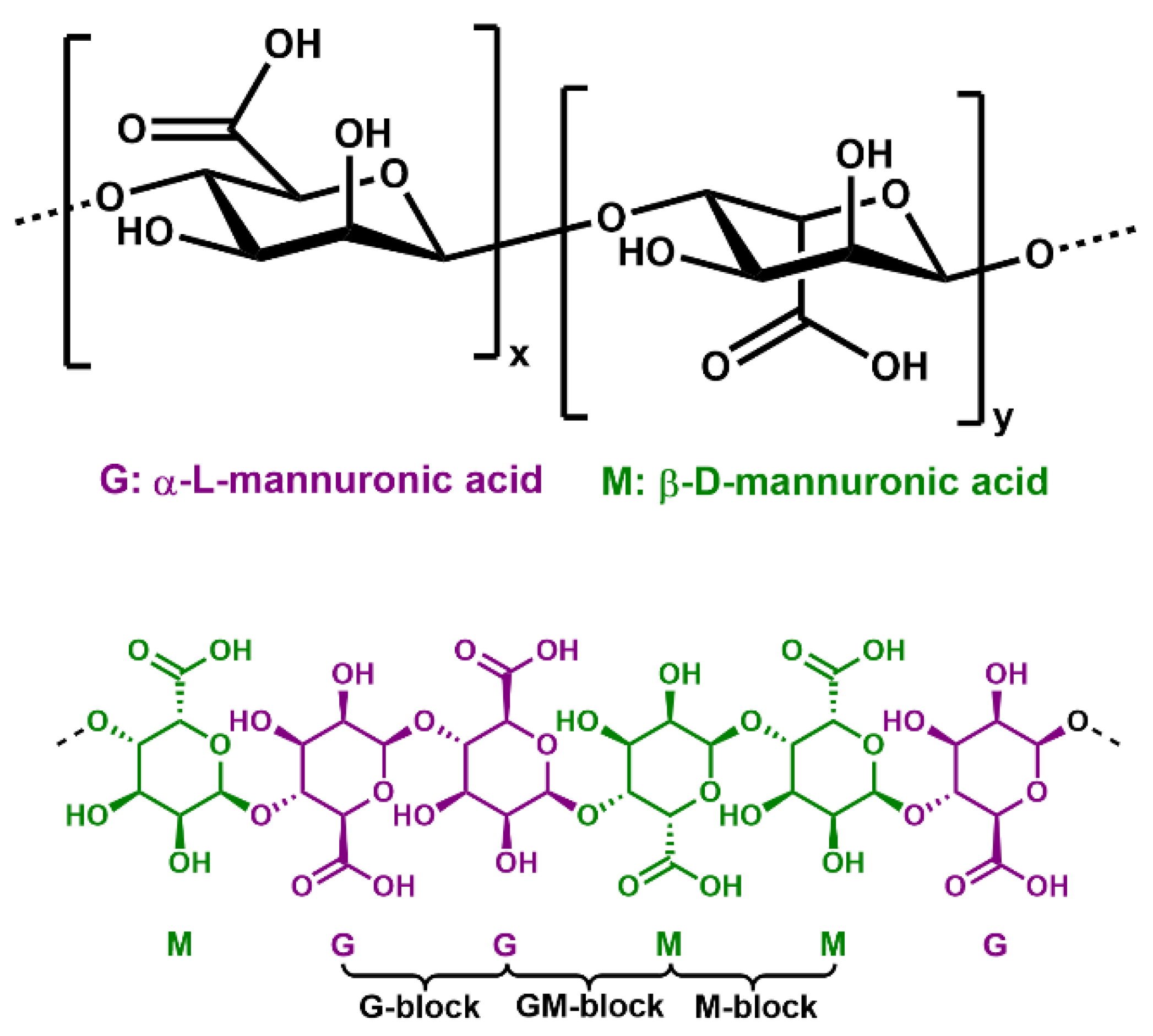
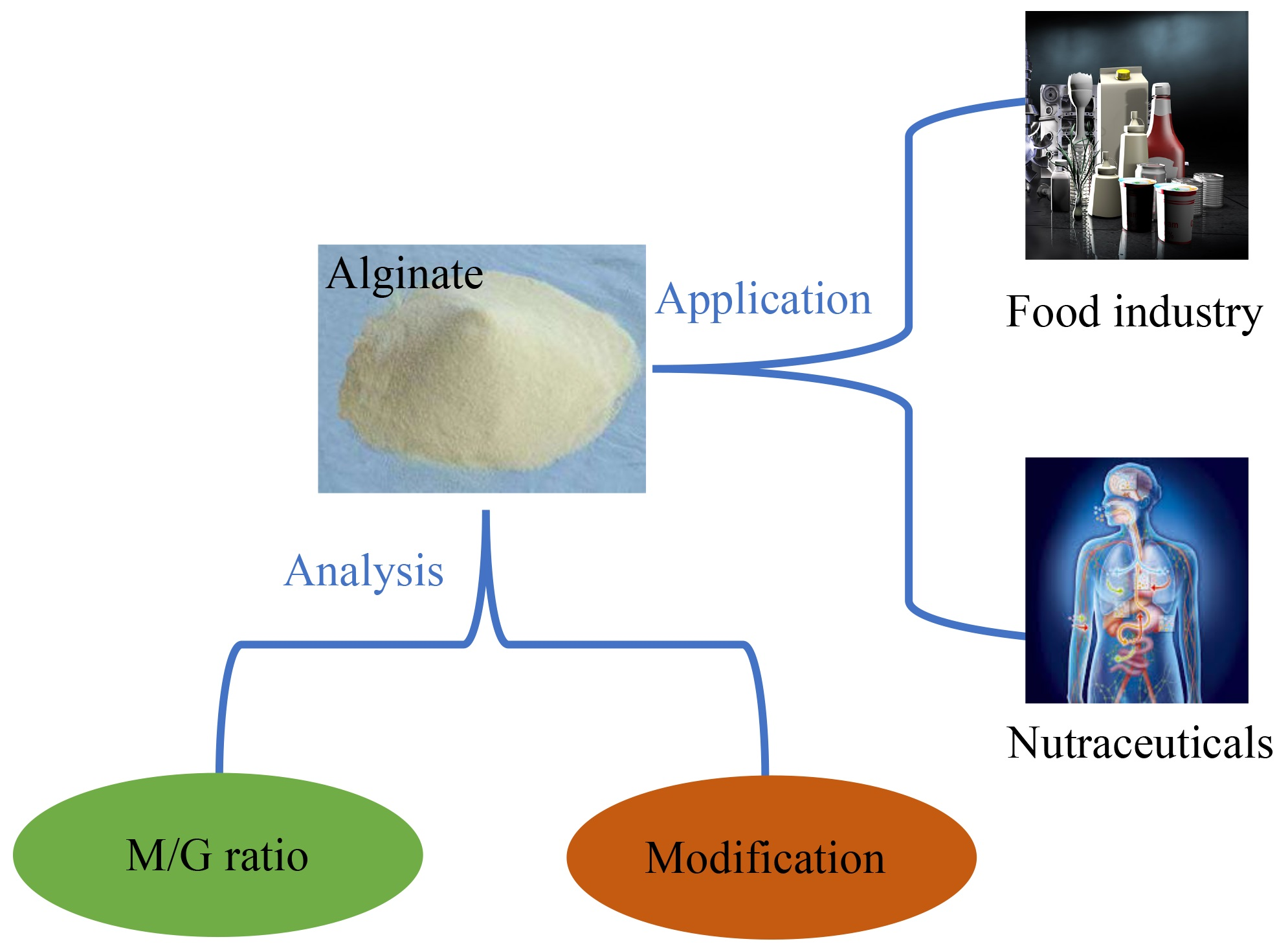
Alginate is a natural polysaccharide derived from brown seaweed, primarily used in the food industry and for medical applications. In the context of molding and casting, alginate is celebrated for its ability to capture fine details and its quick setting time. It is most commonly used for making molds for body parts, dental impressions, and art projects.
Advantages of Alginate Molding Powder
- Fast Setting Time: Alginate typically sets within 5 to 10 minutes, making it ideal for projects requiring quick turnarounds.
- Detail Capture: Alginate can capture intricate details, making it suitable for lifecasts and detailed sculpting.
- Biocompatibility: Alginate is non-toxic and widely used in medical applications, ensuring safety for skin contact.
- Ease of Use: Mixing alginate with water is straightforward, requiring no special equipment.
- Cost-Effective: Alginate is generally less expensive than silicone and other casting materials.
Disadvantages of Alginate Molding Powder
- Limited Lifespan: Alginate molds are not durable and can only be used for a limited number of casts (usually one to three).
- Water Sensitivity: Alginate molds need to be poured promptly after setting, as they can degrade in water or humidity over time.
- Temperature Sensitivity: Mixing alginate with very hot water can lead to premature setting, affecting the quality of the mold.
- Not Suitable for High-Temperature Casting: Alginate molds cannot withstand high temperatures, limiting their use with certain materials.
Comparing Alginate with Other Casting Materials
1. Silicone Molding Compounds
Silicone is a popular casting material known for its flexibility and durability. It is widely used in professional settings for both industrial and artistic applications.
Pros of Silicone
- Durability: Silicone molds can last for years, allowing for multiple casts without degradation.
- Temperature Resistance: Silicone can withstand high temperatures, making it suitable for casting with resins and metals.
- Flexibility: Silicone molds can easily release the cast object, reducing the risk of damage.
- Wide Range of Applications: Silicone is suitable for various materials, including plaster, resin, and wax.
Cons of Silicone
- Higher Cost: Silicone is significantly more expensive than alginate, which can be a barrier for hobbyists.
- Longer Setting Time: Silicone can take several hours to set, which may not be ideal for quick projects.
2. Plaster
Plaster is another common casting material, often used in art and construction. It is known for its ease of use and cost-effectiveness.
Pros of Plaster
- Affordability: Plaster is inexpensive and widely available, making it a popular choice for beginners.
- Ease of Use: Plaster is easy to mix and work with, requiring no special tools or techniques.
- Good Detail Capture: While not as fine as alginate or silicone, plaster can still capture decent detail.
Cons of Plaster
- Fragility: Plaster molds can be brittle and may break easily.
- Limited Lifespan: Like alginate, plaster molds are not designed for extensive use.
- Longer Setting Time: Plaster generally takes longer to set, which can slow down the workflow.
3. Latex
Latex is another option used for making flexible molds, particularly in special effects and prosthetics.
Pros of Latex
- Flexibility: Latex molds are flexible, allowing for easy demolding of complex shapes.
- Durability: With proper care, latex molds can last longer than alginate and plaster molds.
- Good Detail Capture: Latex can capture fine details, similar to silicone.
Cons of Latex
- Allergic Reactions: Some individuals may be allergic to latex, making it unsuitable for certain applications.
- Higher Cost: While cheaper than silicone, latex can still be more expensive than alginate.
- Longer Cure Time: Latex can take longer to cure than alginate, which may slow down production.
Case Studies: Real-World Applications
To further illustrate the use of alginate and other materials, let’s look at some case studies from various fields.
Healthcare: Dental Impressions
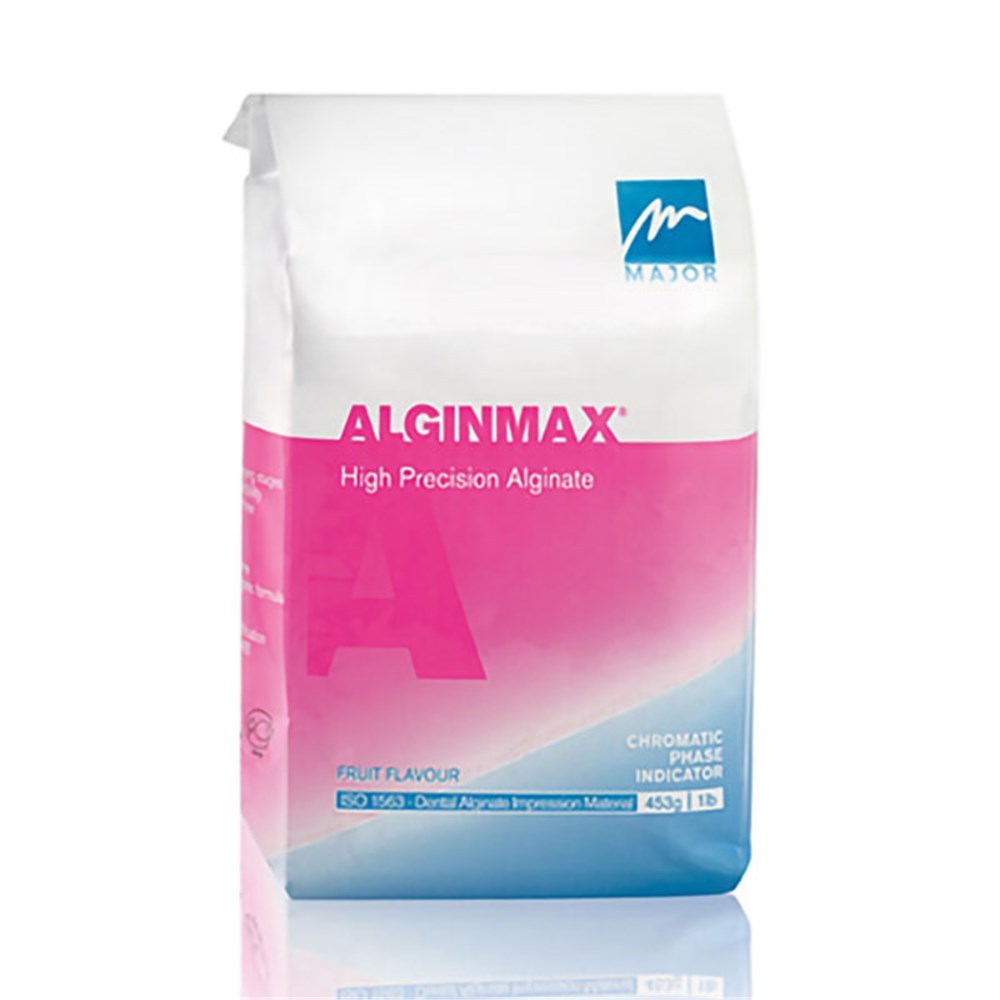
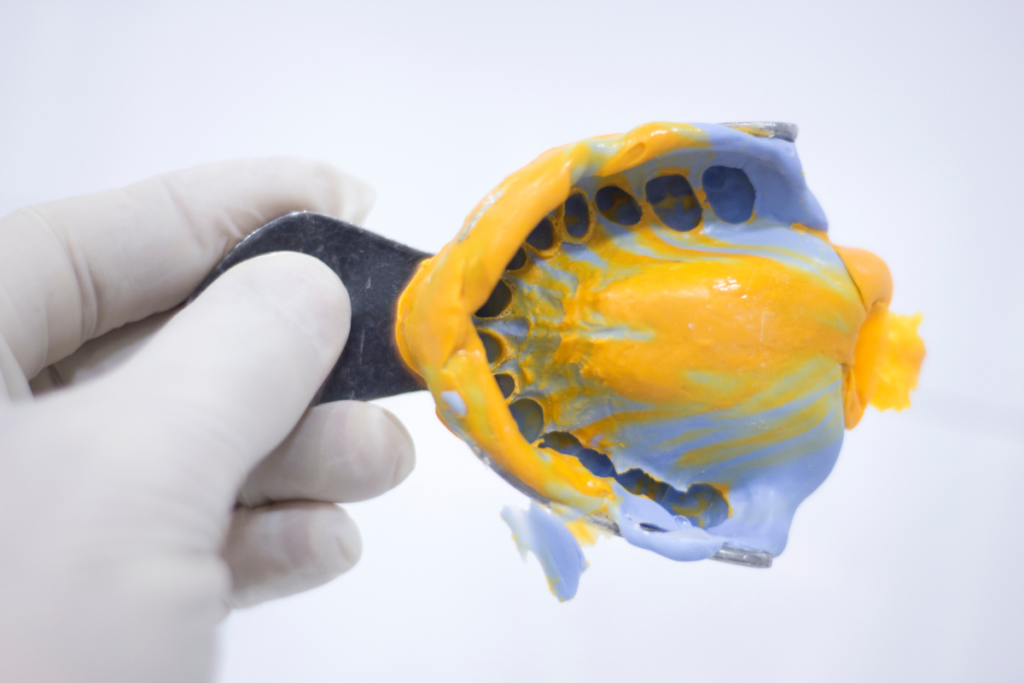
Alginate is widely used in dentistry for making impressions due to its biocompatibility and ability to capture fine details. A study conducted by the American Dental Association found that alginate impressions could accurately reproduce details within 50 microns, making it an excellent choice for dental work.
Art and Sculpture
In the world of sculpture, artists often use silicone for creating molds of their works due to its durability. However, for quick lifecasts, such as capturing facial expressions, alginate is preferred for its fast setting time. A renowned artist shared that using alginate allowed them to create multiple lifecasts in a single day, showcasing the efficiency of this material.
Industrial Applications: Prototyping
In industrial settings, silicone is often the go-to material for prototyping due to its high-temperature resistance and durability. An automotive company reported that using silicone molds for prototype parts resulted in a 30% reduction in production time compared to using plaster molds.
When comparing alginate molding powder to other casting materials like silicone, plaster, and latex, it is clear that each material has its unique advantages and disadvantages. Alginate stands out for its fast setting time, detail capture, and affordability, making it ideal for specific applications like lifecasting and dental impressions. However, its limited lifespan and water sensitivity can be drawbacks for long-term projects.
Silicone offers durability and versatility, making it suitable for industrial applications, while plaster serves as a cost-effective option for beginners. Latex provides flexibility and decent durability but may not be suitable for everyone due to allergic reactions.
Ultimately, the choice of casting material depends on the specific requirements of your project, including budget, timeframe, and desired finish. By weighing the pros and cons outlined in this article, you can make an informed decision that best suits your needs.